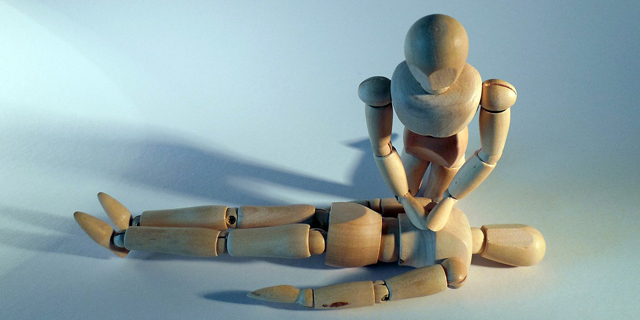
First aid for death adder envenomation is pressure-immobilisation.

Death adders inhabit drier areas throughout the continent, with the exception of Tasmania, the southeast corner of South Australia, and all of Victoria except the northwest corner. They usually remain motionless when approached, and are said to only strike when actually touched.

Signs and Symptoms

Typically, death adder envenomation is a simple neurotoxicity syndrome, brought about by a post-synaptic neurotoxin, and paralysis is the overriding clinical feature. Myolytic and haemolytic activity are absent. Anticoagulant effects of envenomation may or may not be present, and if so, are typically mild in their clinical effect.

Treatment

First aid for death adder envenomation consits of a pressure bandage and immobilisation. In cases where a pressure bandage has been applied correctly, it can be left in situ indefinitely while the patient is feeling no discomfort as a result. If it becomes appropriate to remove a pressure bandage, it is necessary to have antivenom and critical care support ready. Antivenom therapy usually effects a prompt and readily managed recovery. Prior to the development of antivenom, half of all recorded envenomations resulted in death.

Antivenom

Initial treatment for symptomatic death adder envenomation involves administration of one ampoule of monovalent Death Adder Antivenom. Death adder antivenom supplied by CSL Ltd is equine in origin. Treatment with antivenom may be augmented by anticholinesterase therapy (such as neostigmine or edrophonium) to attenuate neurotoxicity.

Photo: R. Lowe, AVRU


Last updated: July 2005